Εμφάνιση αναρτήσεων με ετικέτα ΜΕΓΑΛΟΙ ΚΛΑΣΙΚΟΙ ΣΤΗ ΜΟΥΣΙΚΗ. Εμφάνιση όλων των αναρτήσεων

Τετάρτη 22 Αυγούστου 2012

Η ΣΟΝΑΤΑ ΤΟΥ KREUTZER ΚΑΙ Ο ΤΟΛΣΤΟΙ


"Music is the shorthand of emotion." Leo Tolstoy


Prinet’s famous painting, “The Kreutzer Sonata” from 1901 depicting an event that actually is never described (only imagined) in Tolstoy’s original: a passionate kiss between the violinist and the wife, one hand still connecting to the piano, carried away by the music’s passion.


Ivry GITLIS @ BEETHOVEN Kreutzer Sonata (complete) Martha Argerich, live 1999 http://youtu.be/DMHeTKCg3xc


Violin Sonata No. 9 in A major, commonly known   as the Kreutzer Sonata, is a violin sonata which Ludwig van Beethoven published as his Opus 47. It is known for its demanding violin part, unusual   length (a typical performance lasts slightly less than 40 minutes), and   emotional scope — while the first movement is predominantly furious, the   second is meditative and the third joyous and exuberant.


Beethoven: Kreutzer Sonata
Beethoven: Kreutzer Sonata (1.   Adagio Sostenuto) - Martha Argerich & Gidon Kremer 
Kogan plays Beethoven's Kreutzer Sonata (1/5)
Kogan plays Beethoven's Kreutzer Sonata (2/5)

The sonata was originally   dedicated to the violinist George Bridgetower (1780–1860), who performed it with Beethoven at the premiere on 24 May 1803 at the Augarten Theatre at a concert that started at the unusually early hour of 8:00 am. Bridgetower   sight-read the sonata; he had never seen the work before, and there had been   no time for any rehearsal. However, research indicates that after the   performance, while the two were drinking, Bridgetower insulted the morals of a woman whom Beethoven cherished. Enraged, Beethoven removed the dedication of the piece, dedicating it instead to Rodolphe Kreutzer, who was considered the finest violinist of the day. However, Kreutzer never performed it, considering it "outrageously unintelligible". He did not   particularly care for any of Beethoven's music, and they only ever met once,   briefly.


Oistrakh/Oborin - Beethoven Violin Sonata No.9, Op.47   'Kreutzer'
Moiseiwitsch and Heifetz play Beethoven Kreutzer Sonata   Pt. 3/4
Moiseiwitsch and Heifetz play Beethoven Kreutzer Sonata   Pt. 4/4 ·
http://youtu.be/yP9MpDfFz-c

Sources suggest the work was   originally titled "Sonata mulattica composta per il mulatto Brischdauer [Bridgetower], gran pazzo e compositore mulattico" (Mulatto Sonata   composed for the mulatto Brischdauer, big wild mulatto composer), and in the   composer's 1803 sketchbook, as a "Sonata per il Pianoforte ed uno   violino obligato in uno stile molto concertante come d’un concerto".


Sonata para Violin y Piano n.º 9 "Kreutzer"
Kogan plays Beethoven's Kreutzer Sonata (4/5)
Kogan plays Beethoven's Kreutzer Sonata (5/5)

Lionello Balestrieri
Italian, 1874 - 1952
Study for "Beethoven's Kreutzer Sonata" (1900)


The Kreutzer Sonata (Russian: Крейцерова соната, Kreitzerova Sonata) is a novella by Leo Tolstoy, published in 1889 and promptly censored by the Russian authorities. The work is an argument for the ideal of sexual abstinence and an in-depth first-person description of jealous rage. The main character, Pozdnyshev, relates the events leading up to his killing his wife; in his analysis, the root cause for the deed were the "animal excesses" and "swinish connection" governing the relation between the sexes.


In an essay entitled “The Lesson of The Kreutzer Sonata”, Tolstoy (photographed here in 1908) explains his view of the subject matter. Regarding carnal love and a spiritual, Christian life, he points out that not Christ, but the Church (which he despised and which in turn excommunicated him) instituted marriage. "The Christian's ideal is love of God and his neighbor, self-renunciation in order to serve God and his neighbor; carnal love – marriage – means serving oneself, and therefore is, in any case, a hindrance in the service of God and men".
Of course, his religious viewpoints evolved over several years and might stem from the summer he began reading Schopenhauer in the late-1870s, while in the midst of writing Anna Karenina, a conversion he then shared with the character Levin. In 1882, he published “A Confession” which documented many of his new-found ideas, rejecting many traditional religious and social viewpoints.
Tolstoy, completing The Kreutzer Sonata in 1889, found himself confronted by controversy when attempting to publish it. However, the book also ran into problems in the United States in 1890 when the United States Post Office prohibited the mailing of newspapers containing serialized installments of The Kreutzer Sonata, a decision later confirmed by the U.S. Attorney General.   
The New York Times reported in August, 1890, that four street vendors were “captured” by a New York City 1st Precinct policeman with cartfuls of “mutilated paper-covered reprints” of Tolstoy’s banned novel, admitting they’d received them from a “Barclay Street publishing house” and hawking them with the sign “Suppressed” in order to attract potential buyers’ attention. The judge at their hearing was told by the prosecuting attorney that this book “came within the category of indecent literature,” showing the judge a specially marked copy with specifically marked passages. Justice White, in the Tombs Police Court, apparently found “nothing likely to affect public morals” and felt the peddlers’ offense (“if any had been committed”) was misleading the public by “parading the book as a suppressed publication.” The peddlers and the publishers were then summoned for a further appearance. Apparently, the case went on to the Common Pleas Court No. 4 in Philadelphia where, on Sept. 24th, 1890, Judge M. Russell Thayer ruled that Tolstoy’s novel, The Kreutzer Sonata, was not obscene.

He was quoted in the New York Times that day as stating in his opinion “the book is a novel, possessing very little dramatic interest or literary merit. There is nothing in this book which can by any possibility be said to commend licentiousness, or to make it in any respect attractive, or to tempt any one to its commission. On the contrary, all its teachings paint lewdness and immorality in the most revolting colors. Nor is there any obscenity or indecency in the language used or in the story told, however it may offend a refined taste. It undoubtedly teaches the doctrine… that celibacy is better than marriage and a higher and purer state of being. And that it is the idea of a perfect Christian life, to which all Christian men and women should aspire. This strikes us, of course, as being very absurd and ridiculous, and as being opposed alike to Christianity and to the best interests of society. It may even seem to us to be the product of a diseased mind, yet the doctrine is by no means new in the world. The same idea was prevalent among many of the early Christians, who looked upon marriage as one of the consequences of the fall, and regarded it as has been said by a writer upon this subject as a tolerated admission of an impure and sinful nature.”

The Judge continues, “the hermits and anchorites of the early Christian times considered abstinence from marriage and from all sexual commerce as the triumph of sanctity and the proof and means of spiritual perfection. Modern Christianity, with cleaner and more sensible view of the subject, while it denounces licentiousness, looks upon marriage as a divine institution. Roman Catholics regard it with the veneration of a sacrament, and all Christian sects see in it an institution which lies at the foundation of all civilized society. Count Tolstoi’s ‘Kreutzer Sonata’ may contain very absurd and foolish views about marriage. It may shock our ideas of the sanctity and nobility of that important relation, but it cannot on that account be called an obscene libel. There is no obscenity in it. On the contrary, it denounces obscenity of every description on almost every page. Nor can the language in which he expresses his ideas be said to be in any proper sense obscene, lewd or indecent. It is not against the law to print or sell books which contain ideas and doctrines upon religious subjects which conflict with and are contrary to the orthodox teachings upon the subject. Every man has the right under such a government as ours to discuss such questions, either orally or in print, if he does so in a proper and becoming manner, and does not in doing so violate the decencies of life. He may call in question and argue against any received doctrine of the Christian faith, if he uses in doing so proper and becoming language but if one should introduce into such a discussion blasphemous language or ideas, or obscene, lewd, or indecent thoughts or words, or should make his description the occasion for reviling and scoffing at the most sacred things, or speaking of them in a profane, abusive, or indecent manner, he would unquestionably be liable to be indicted and punished therefor."

“But a careful and critical reading of the whole book has clearly convinced us that it is not liable to the charge of either obscenity or indecency. On the contrary, as we have already said, its whole purpose and scope is to denounce those vices in the severest manner. The fact that the author in discussing the question of marriage has come to some silly and very absurd conclusions, opposed alike to what is ordinarily conceived to be the Christian doctrine on the subject and the general opinion of civilized societies throughout the world, does not make its publication or sale a violation of the law. The work may be offensive to our opinions and convictions, just as others are which are daily sold in our book stores without objection or challenge from anybody, but it cannot be justly said to be of an obscene or lewd character; nor is it either in its sentiments or language in any degree calculated to minister to corrupt or licentious practices or to gratify lewd desires, or to encourage depravity in any form.” Judge Thayer’s concluding statement is: “The court was reminded upon the argument that the Czar of Russia and the Post Office officials of the United States have condemned this book as an unlawful publication; that the former has prohibited its sale within his dominions and the latter has forbidden its transmission through the mails. Without disparaging in any degree the respect due to these high officials within their respective spheres, I can only say that neither of them has ever been recognized in this country as a binding authority in questions of either law or literature.”
That did not stop Theodore Roosevelt, then a member of the United States Civil Service Commission, from calling Tolstoy a "sexual moral pervert."


Though Janáček first began working on a string quartet – and then a piano trio – inspired by Tolstoy’s Kreutzer Sonata in 1908, it wasn’t until 1923 that he actually composed the quartet we know by that name. Between those years, his own marriage deteriorated and they had already agreed to a mutual “in-house” separation before the composer met Kamila Stösslová in 1917.
‎"I was imagining a poor woman, tormented and run down, just like the one the Russian writer Tolstoy describes in his Kreutzer Sonata", Janáček confided in one of his letters to his young friend Kamila Stösslová. In the music of the quartet is depicted psychological drama containing moments of conflict as well as emotional outbursts, passionate work rush towards catharsis and to final climax.

Leoš Janáček - String Quartet No. 1, 'Kreutzer Sonata'   (1 of 2)
Leoš Janáček - String Quartet No. 1. 'Kreutzer Sonata'   (2 of 2)


“They played Beethoven’s Kreutzer Sonata,” he continued. “Do you know the first presto? You do?” he cried. “Ugh! Ugh! It is a terrible thing, that sonata. And especially that part. And in general music is a dreadful thing! What is it? I don’t understand it. What is music? What does it do? And why does it do what it does? They say music exalts the soul. Nonsense, it is not true! It has an effect, an awful effect – I am speaking of myself – but not of an exalting kind. It has neither an exalting nor a debasing effect but it produces agitation. How can I put it? Music makes me forget myself, my real position; it transports me to some other position, not my own. Under the influence of music it seems to me that I feel what I do not really feel, that I understand what I do not understand, that I can do what I cannot do. I explain it by the fact that music acts like yawning, like laughter: I am not sleepy but I yawn when I see someone yawning; there is nothing for me to laugh at, but I laugh when I hear people laughing.

“Music carries me immediately and directly into the mental condition in which the man was who composed it. My soul merges with his and together with him I pass from one condition into another, but why this happens I don’t know. You see, he who wrote, let’s say, the Kreutzer Sonata – Beethoven – knew of course why he was in that condition; that condition caused him to do certain actions and therefore that condition had a meaning for him, but for me – none at all. That is why music only agitates and doesn’t lead to a conclusion. Well, when a military march is played the soldiers march to the music and the music has achieved its object. A dance is played, I dance and the music has achieved its object. Mass has been sung, I receive Communion, and that music too has reached a conclusion. Otherwise it is only agitating, and what ought to be done in that agitation is lacking. That is why music sometimes acts so dreadfully, so terribly. In China, music is a State affair. And that is as it should be. How can one allow anyone who pleases to hypnotize another, or many others, and do what he likes with them? And especially that this hypnotist should be the first immoral man who turns up?

“It is a terrible instrument in the hands of any chance user! Take that Kreutzer Sonata, for instance, how can that first presto be played in a drawing-room among ladies wearing low-necked dresses? To hear that played, to clap a little and then to eat ices and talk of the latest scandal? Such things should only be played on certain important significant occasions, and then only when certain actions answering to such music are wanted; play it then and do what the music has moved you to. Otherwise an awakening of energy and feeling unsuited both to the time and the place, to which no outlet is given, cannot but act harmfully. At any rate that piece had a terrible effect on me; it was as if quite new feelings, new possibilities, of which I had till then been unaware, had been revealed to me. ‘That’s how it is: not at all as I used to think and live, but that way,’ something seemed to say within me. What this new thing was that had been revealed to me I could not explain to myself, but the consciousness of this new condition was very joyous. All those same people, including my wife and him, appeared in a new light.

“After that allegro they played the beautiful but common and unoriginal andante with trite variations and the very weak finale. Then, at the request of the visitors, they played Ernst’s Elegy and a few small pieces. They were all good, but they did not produce on me a one-hundredth part of the impression the first piece had. The effect of the first piece formed the background for them all.”

Tolstoy: The Kreutzer Sonata – translated by Aylmer Maude. 

Τρίτη 21 Αυγούστου 2012

ΑΜΛΕΤ


ΣΑΙΞΠΗΡ 

(Μετ. Φώτης Κόντογλου)
ΑΠΟΣΠΑΣΜΑ ΑΠΟ ΤΗΝ ΠΡΑΞΗ III Ἅμλετ (μονάχος)


Νά ῾ναι στὸν κόσμο κανένας γιὰ νὰ μὴν εἶναι! Νά τὸ ἐρώτημα. Εἶναι ἄραγε  περισσότερο πρέπον νὰ ὑπομονεύει κανένας ὑποφέρνοντας τὰ χτυπήματα καὶ  τὶς ἰδιοτροπίες τῆς ἀκατάστατης μοίρας, ἢ ν᾿ ἀρπάξει τ᾿ ἄρματα καταπάνου  σ᾿ ἕναν ὠκεανὸ ταραγμένο, καὶ νὰ τὸν σταματήσει με τὰ στήθια του; Νὰ  πεθάνει! ... Νὰ κοιμηθεῖ! ... Ξεμπέρδεψε! Ὁ νύπνος δίνει τέλος στοὺς  πόνους τῆς καρδιᾶς καὶ στ᾿ ἀμέτρητα βάσανα πού ῾ναι ὑποκείμενο τὸ κορμί!  Ἕνα τέτοιο τέλος πρέπει κανένας νὰ τὸ ποθεῖ ὁλόψυχα. Νὰ πεθάνει! ... Νὰ  κοιμηθεῖ! ... Νὰ κοιμηθεῖ! ... Νὰ νειρεύεται, ἴσως! Νά, ἐδῶ εἶναι ὁ  κόμπος. Μέσα στὸν ὕπνο τοῦ θανάτου, τί ὄνειρα ἄραγε μποροῦν νὰ μᾶς  ταράξουν, ἀφοῦ θά ῾χουμε πιὰ ξεμπερδέψει, ἀπ᾿ τὰ βάσανα τῆς ζωῆς; Νά τί  πρέπει νὰ ξεδιαλυθεῖ. Νά ἡ σκέψη, ποὺ γίνεται αἰτία νὰ πηγαίνει σὲ  μάκρος ἡ κακομοιριὰ μιᾶς ζωῆς τόσο μακρόχρονης. Ποιὸς ἤθελε ὑποφέρει τὶς  σφαλιάρες καὶ τὴν καταφρόνια τοῦ κόσμου, τὶς ἀδικίες τῶν τυράννων, τὰ  καπρίτσια τοῦ περήφανου, τὰ βασανιστήρια τοῦ ἔρωτα ποὺ δὲ βρίσκει θέση  σὲ μιὰ καρδιὰ ποὺ ἀγαπᾶ, τὶς μικρολογίες τοῦ νόμου, τὴν ἀσπλαχνιὰ τῶν  ἀφεντάδων, καὶ τὰ πατσαβουριάσματα ποὺ τραβᾶ ἡ κρυμμένη ἀξία ἀπὸ μέρος  τῆς προστυχιᾶς, ἂν μποροῦσε νὰ πιτύχει τὸ πασαπόρτι του μὲ μιὰν ἁπλὴ  κεντιά; Ποιὸς θά ῾θελε νὰ σηκώνει στὶς πλάτες του τόσα φορτία, νὰ  γογγύζει σὰν ἕνα γουρούνι, καὶ νὰ δρώνει κάτου ἀπ᾿ τὰ βάρετα τῆς ζωῆς,  ἂν δὲν τὸν τρόμαζε κάτι τίς, πέρ᾿ ἀπ᾿ τὸν τάφο, ἀπὸ μιὰ χώρα  ἀνεξερεύνητη, ποὺ ἀπ᾿ τὰ σύνορά της δὲ γύρισε κανένας ὁδοιπόρος;
  

Τούτη ἡ τρομάρα εἶναι ποὺ παραλύνει τὴ θέληση καὶ μᾶς κάνει νὰ κλίνουμε  περισσότερο στὸν νὰ ὑπομονεύουμε στὶς συφορὲς ποὺ τραβοῦμε ἐδῶ, παρὰ νὰ  τρέχουμε σὲ ἄλλες, ποὺ δὲν τὶς ξέρουμε. Ἡ συνείδηση μᾶς κάνει  φοβιτσιάρηδες· ἡ θαρρετὴ ἀποφασιστικότητα, πὄχουμε φυσικὰ μέσα μας,  ξεθωριάζει κάτου ἀπ᾿ τὴ χλωμὴ ἀντιφεγγιὰ τῆς σκέψης, ποὺ κόβει στὴ μέση  τὰ πλέον εὐγενικὰ τολμήματα, τὰ πλέον πρεπούμενα, καὶ μᾶς καταδικάζει νὰ  μένουμε ἀναποφάσιστοι.


Ω, πώς ετούτη η τόσο, τόσο στέρεη σάρκα
να'λιωνε, ν' άχνιζε, δροσιά να σκορπιζόταν!
Ή να μην είχε βάλει κάνονα ο Αιώνιος
να τιμωράει τον αυτοχτόνο! Ω, Θεέ μου! Ω, Θεέ μου!
Τι ταπεινά και πλαδαρά, σαχλά κι ανούσια
μου φαίνονται όλα αυτού του κόσμου τα καμώματα!
Φτου σας! Ω, φτου σας! Ένας κήπος αβοτάνιστος
ξεσποριασμένος· άγρια πράγματα, χοντρόφυλλα,
θρασιά τον πνίγουν όλο. Εκεί να καταντήσει!
Μόλις δυο μήνες πεθαμένος! Κι ούτε, ούτε καν δυο!
Τι βασιλιάς! Μπροστά σε τούτον ήταν ο Υπερίων
μπροστά σε σάτυρο. Τόσο αγαπούσε τη μητέρα μου
που δεν υπόφερνε ούτε οι αύρες τ' ουρανού
να επισκεφτούν πολύ τραχιά το πρόσωπό της.
Γη κι ουρανέ! Να θυμηθώ; Μα τι, κρεμόταν πάνω του,
σαν η όρεξή της τρώγοντας όλο να μεγάλωνε·
και τώρα, μέσα σ' ένα μήνα, - ας μην το σκέφτομαι:
αδυναμία, τ' όνομά σου είναι γυναίκα! -
Ούτ' ένα μήνα τόσον δα! Ούτε πριν τριφτούν
Οι σόλες που φορούσε ακολουθώντας
Το λείψανο του δύστυχου πατέρα μου, όλη δάκρυα
σαν Νιόβη, - ποιος, αυτή, αυτή, ίσα-ίσα,
- ω, Θεέ μου! κι ένα χτήνος, δίχως νου και κρίση
θα κράταε πένθος πιο πολύ - να παντρευτεί
τον θείο μου, του πατέρα μου τον αδερφό·
που μοιάζει του πατέρα μου, όσο μοιάζω εγώ
του Ηρακλή· μέσ' σ' ένα μήνα· πριν να πάψει
να κοκκινίζει η άρμη απ' τ' άνομά της δάκρυα
τα φουσκωμένα μάτια της, παντρεύτηκε·
ω, πάρα πονηρή βιασύνη, τόσο εύκολα
να πέσει σε σεντόνια αιμόμιχτα! Δεν είναι
κι ούτε μπορεί να βγει σε καλό.
Όμως, καρδιά μου, σώπα - πρέπει να κρατήσω
τη γλώσσα μου. (Μετ. Βασίλης Ρώτας)


Shostakovich: "Hamlet's Monologue" 
Shostakovich: Hamlet Suite, Op. 116 - V - Hamlet & Ophelia
The Hamlet Suite by Shostakovich - Death of Hamlet

Πέμπτη 16 Αυγούστου 2012

Η ΘΕΙΑ ΚΩΜΩΔΙΑ ΣΤΗ ΜΟΥΣΙΚΗ


Dante: La Divina Commedia

Purgatorio, canto IV (1-12)

Σαν μέσα μας μια αίστηση
χαρά ή λύπη τη συνέχει
όλη η ψυχή εκεί πια συγκεντρώνεται
και τίποτ’ άλλο δεν προσέχει -
και τούτο δείχνει ότι σφάλλουν όσοι πιστεύουν ότι μέσα
η μια ψυχή, πλάι σε μιαν άλλη, μπορεί να βασιλεύει.
Γι’ αυτό, σαν η ψυχή είναι για τα καλά στραμμένη
σ’ ό,τι ακούει ή σ’ ό,τι βλέπει
κυλάει ο χρόνος χωρίς να τον καταλαβαίνει-
γιατί άλλη η αίστηση που ακούει
κι άλλη αυτή που όλη την προσοχή της συγκεντρώνει:
η πρώτη σαν δεμένη κι η άλλη λεύτερη.


Liszt: Dante Symphony, II: PURGATORIO- Barenboim/Berliner Philarmoniker


Η Θεία Κωμωδία είναι ένα επικό αφηγηματικό ποίημα του Δάντη Αλιγκέρι με τίτλο La Divina Commedia και έχει χαρακτηριστεί η επιτομή του μεσαιωνικού κόσμου.
Ο δημιουργός ποιητής έκαμε «με το κορμί του ολάκερο» ένα ταξίδι στην Κόλαση, στο Καθαρτήριο και στον Παράδεισο, δίνοντάς μας με μαθηματική ακρίβεια τις λεπτομέρειες ενός πραγματικού ταξιδιού στον Αδη: Ωρες, τοποθεσίες, μετατοπίσεις, δρομολόγια. Τόσο που παρασύρεται κάποτε ο αναγνώστης και ξεχνάει πως παρακολουθεί ένα φανταστικό όραμα.
Το καθένα από τα τρία μέρη σε αυτό το φανταστικό ταξίδι αποτελείται από 33 τραγούδια και ξεκινά, σύμφωνα με τις περισσότερες εκδοχές, τη Μεγάλη Παρασκευή του 1300, όταν ο Δάντης Αλιγκέρι ήταν 35 ετών.


Σε μία από τις πρώτες όπερες που γράφτηκαν ποτέ, ο Claudio Monteverdi το 1607 στην όπερα L'Orfeo, ο βασικός χαρακτήρας, μπαίνοντας στον Κάτω Κόσμο χρησιμοποιεί τη γνωστή φράση από τη Θεία Κωμωδία, "Εγκαταλείψτε την ελπίδα όλοι όσοι εισέρχεστε εδώ".
Montserrat Figueras sings "Dal mio Permesso"   from L'Orfeo http://youtu.be/EdHFxkd7s0s
Ο Franz Liszt συνέθεσε αρχικά τη σονάτα για πιάνο Dante Sonata, που άρχισε να τη γράφει το 1837 και την ολοκλήρωσε το 1849 και το 1856 ολοκλήρωσε και τη συμφωνία του (για άλλους συμφωνικό ποίημα) Symphony to Dante's Divina Commedia, που έχει βασικά δύο μέρη, την Κόλαση και το Καθαρτήριο.
Ο Liszt έχει γράψει επίσης ακόμη δύο σονάτες για πιάνο, Paralipomenes ά la Divina Commedia (1839), Prolέgomenes ά la Divina Commedia (1840).Τη δικιά του Sinfonia Dante έγραψε το 1863 ο Ιταλός Giovanni Pacini, ενώ ο επίσης Ιταλός Amilcare Ponchielli έγραψε το Tanto gentille: sonetto di Dante.

Liszt - Deuxieme Annee VII; Dante Sonata, Part 1
http://youtu.be/RRnVmCPXqxY
Liszt - Deuxieme Annee VII; Dante Sonata, Part 2 
http://youtu.be/UvCMso3dT4k
Liszt - Dante Symphony - 1. Inferno (1/3)
http://youtu.be/tiElvzlH4jY
Liszt - Dante Symphony - 1. Inferno (2/3)
http://youtu.be/DFrCgUyiizQ
Liszt - Dante Symphony - 1. Inferno (3/3)
Από το 5ο τραγούδι της Κόλασης είναι εμπνευσμένο το συμφωνικό ποίημα του Pyotr Ilich Tchaikovsky Francesca da Rimini, που γράφτηκε το 1876 και έχει τον υπότιτλο Συμφωνική Φαντασία του Δάντη. 
Jevgenij Mravinskij "Francesca da Rimini"   Tchaikovsky 
http://youtu.be/pJQ3nLnO6Tg
Η μονόπρακτη όπερα του Giacomo Puccini, που γράφτηκε το 1918 με τον τίτλο Gianni Schicchi, πήρε τον τίτλο της από το όνομα που αναφέρεται στην Κόλαση του Δάντη, περιλαμβάνεται στο τρίπτυχο με άλλες δύο μονόπρακτες όπερες που έχουν σχέση με το ποίημα του Δάντη Il Tabarro και Suor Angelica.
Maria Callas - O mio babbino caro

Όπερα με το ίδιο θέμα έχει γράψει και ο ρώσος συνθέτης Eduard Frantsovitch Napravnik το 1902, ο Sergei Rachmaninov το 1905 και ο Ιταλός Riccardo Zandonai το 1914. 
Anna NETREBKO. Francesca da Rimini. Rachmaninov
http://youtu.be/ck-KUkWlnx4
Scotto, Domingo, Final de Francesca da Rimini   (Zandonai) http://youtu.be/1PCuH3hShP4


Ο επίσης Ρώσος Dmitri Shostakovich ονομάζει το έκτο μέρος της σουίτας του Suite on verses of Michelangelo Buonarroti, Dante, Michelangelo's sonnet on Dante, «Dal ciel discese».
Shostakovich : Suite Michelangelo op. 145a --- III. IV. 
http://youtu.be/OzlXrInjxYk
Σύγχρονη του Δάντη, η Φρανζέσκα τού Ρίμινι, που είναι ένας από τους χαρακτήρες που χρησιμοποιεί ο Δάντης στη Θεία Κωμωδία, αποτελεί επίσης την πηγή δημιουργίας για πολλά ακόμα συμφωνικά ποιήματα και όπερες, που γράφτηκαν κυρίως στα μέσα του 19ου αιώνα.
Μέρος της Symphony Νο 2 του Φινλανδού Jean Sibelius γράφτηκε κατά τη διάρκεια της παραμονής του στην Ιταλία, στις αρχές του περασμένου αιώνα, και είναι επηρεασμένη από τη Θεία Κωμωδία.
Sibelius: Symphony no. 2 (Karajan 1960, 1/6) 
http://youtu.be/g4UcG_8GeiM


Δευτέρα 13 Αυγούστου 2012

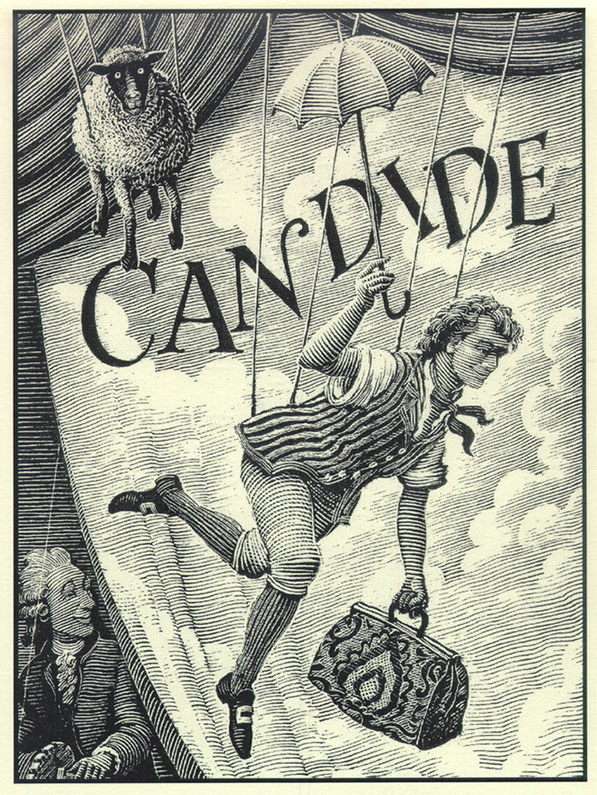
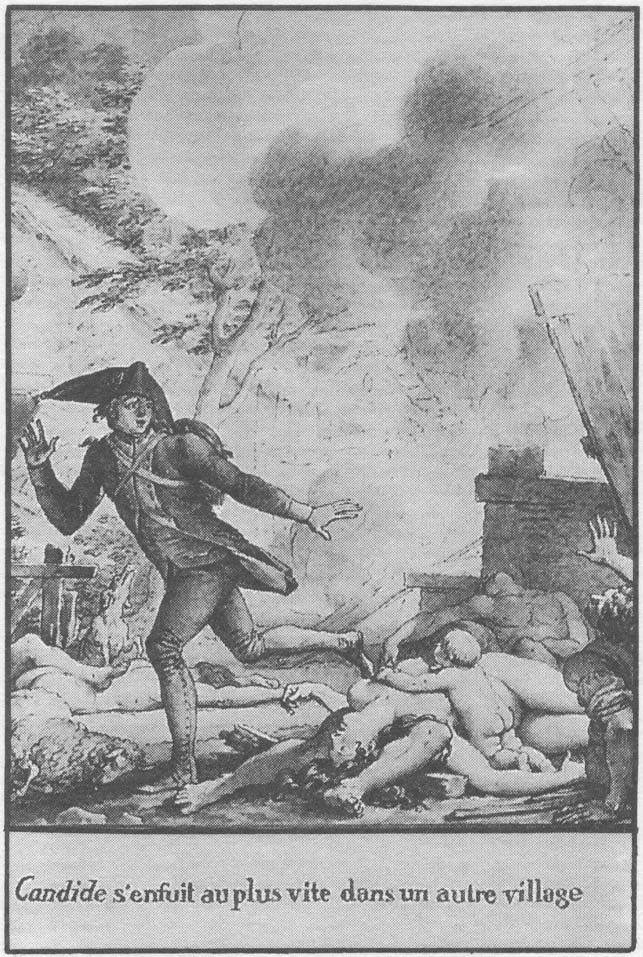
ΜΟΥΣΙΚΕΣ ΕΙΚΟΝΕΣ ΤΟΥ ΚΑΝΤΙΝΤ


About “Candide”: "Voltaire made, with this novel, a résumé of all his works … His whole intelligence was a war machine. And what makes me cherish it is the disgust which has been inspired in me by the Voltairians, people who laugh about the important things! Was he laughing? Voltaire? He was screeching …"
Flaubert, Correspondance, éd. Conard, II, 348; III, 219


http://www.gutenberg.org/ebooks/19942

Candide - Wikipedia, the free encyclopedia 
http://en.wikipedia.org/wiki/Candide 

Candide (operetta) - Wikipedia, the free encyclopedia 


Cunegonde's coloratura aria "Glitter and Be Gay" is a favourite showpiece for many sopranos. Barbara Cook's performance of the aria at its introduction impressed audience and critics, bringing her wide recognition; This aria poses considerable difficulties. Technically, it is among the most fiendishly challenging coloratura soprano arias. If sung as written throughout (alternative phrases are provided at several points in the score), there are three high E-flats (above high C), two staccato and one sustained; there are also numerous uses of high C and D-flat. Some of the florid passages are very intricate, calling for marksmanship of the highest order. Theatrically, it demands an elaborate comic staging, in which Cunegonde adorns herself with jewellery while singing and dancing around the stage (much as does Marguerite in the "Jewel Song" of Gounod's Faust), and has a satirical quality that is a challenge to perform. Cook discussed the most difficult part of this aria—the "Ha ha hahahaha" section—with Renée Fleming for Opera News in December 2001.

“ Barbara Cook: It was terrible how nervous I was. I'd been singing stuff like "I'll be loving you always", and here I was singing Cunegonde. You know what else is hard with that thing? Lenny insisted on the "Ha-ha-ha"s really being "Hha-hha-hha"s. No "Ah-ee-ah-ee-ah"s but "Ha-ha-ha-HA-ha-ha"s. And I was never, never able to do it the way he really, really wanted it done. He wanted the ...
Renée Fleming: You mean the aspiration?
Barbara Cook: Oh, that. I did do that. But what he wanted was the syncopation. So it would have to be [speaks, beating time], "Ha-ha-hahahaha. HAhahahaHAhahaha." You try that on for size. That's hard, because you are losing all that air."

Apart from Cook, most other singers of this aria generally simplify this section by eliminating the aspirated "H's" and sing staccati instead.[citation needed] Subsequent performers of the role of Cunegonde have included:
Mary Costa (in the 1959 London premiere)
Madeline Kahn (in a 1968 concert version)
Maureen Brennan (In Hal Prince's first broadway revival of the show in 1974)
Erie Mills (at the New York City Opera in 1982)
June Anderson (under Bernstein's direction in concerts and a 1989 recording shortly before his death)
Constance Hauman (understudy to Anderson, filled in for at least one performance)
Elizabeth Futral (at Lyric Opera of Chicago in 1994)
Michael Callen (in his 1996 posthumously released LEGACY 2-CD album)
Harolyn Blackwell (in Hal Prince's 1997 Broadway revival of the show).
Kristin Chenoweth (in a 2004 concert production with the New York Philharmonic; recorded with many other orchestras including the Boston Pops)
Lauren Molina (in Mary Zimmerman's 2010 production at the Goodman Theatre)
This aria has been performed in concert by many musical theatre and opera stars, including (in addition to those listed above): Diana Damrau (Munich, 2006, Bayerisches Staatsorchester, Zubin Mehta), Natalie Dessay, Renée Fleming, Edita Gruberová, Sumi Jo, Roberta Peters, and Dawn Upshaw.


Diana Damrau - Glitter and be Gay 

‎"Ms. Damrau offered a “Glitter and Be Gay” from Bernstein’s “Candide” that was over the top in every sense, including the top of the staff, above which she floated with starry radiance. You might have called it too campy (and a little hard to understand) had she not had the vocal goods to back up her active wooing of the adoring audience.

Ms. Damrau even overshadowed Renée Fleming, who said something rueful about having such a hard act to follow before offering an attractive if rather unidiomatic “Poveri fiori” from “Adriana Lecouvreur.” It was in a duet from “Così Fan Tutte,” with Ms. DiDonato, that Ms. Fleming truly shone.” NYTimes review about Damrau


Glitter and be gay,
That's the part I play;
Here I am in Paris, France,
Forced to bend my soul
To a sordid role,
Victimized by bitter, bitter circumstance.
Alas for me! Had I remained 
Beside my lady mother,
My virtue had remained unstained
Until my maiden hand was gained
By some Grand Duke or other.

Ah, 'twas not to be;
Harsh necessity
Brought me to this gilded cage.
Born to higher things,
Here I droop my wings,
Ah! Singing of a sorrow nothing can assuage.

And yet of course I rather like to revel, 
Ha ha!
I have no strong objection to champagne,
Ha ha!
My wardrobe is expensive as the devil,
Ha ha!
Perhaps it is ignoble to complain...
Enough, enough
Of being basely tearful!
I'll show my noble stuff
By being bright and cheerful!
Ha ha ha ha ha! Ha!

Pearls and ruby rings...
Ah, how can worldly things
Take the place of honor lost?
Can they compensate
For my fallen state,
Purchased as they were at such an awful cost?

Bracelets...lavalieres
Can they dry my tears?
Can they blind my eyes to shame?
Can the brightest brooch
Shield me from reproach?
Can the purest diamond purify my name?

And yet of course these trinkets are endearing,
Ha ha!
I'm oh, so glad my sapphire is a star,
Ha ha!
I rather like a twenty-carat earring,
Ha ha!
If I'm not pure, at least my jewels are!

Enough! Enough!
I'll take their diamond necklace
And show my noble stuff
By being gay and reckless!
Ha ha ha ha ha! Ha!

Observe how bravely I conceal
The dreadful, dreadful shame I feel.
Ha ha ha ha!


Ενας «Καντίντ» στις ΗΠΑ


International Herald Tribune

Η Επιτροπή Αντιαμερικανικών Ενεργειών κάλεσε το 1950 τη Λίλιαν Χέλμαν για ανάκριση και εκείνη, ανταποδίδοντας την προσβολή, ζήτησε από τον Λέοναρντ Μπερνστάιν να συνεργαστούν σε μια διασκευή για μιούζικαλ, της μεγάλης σάτιρας του Βολταίρου «Καντίντ». Γι’ αυτήν όσο και για τον συνθέτη - μαέστρο, οι αναλογίες μεταξύ της Ιεράς Εξέτασης του βολταιρικού έργου και του κυνηγού μαγισσών Μακάρθι, ήταν προφανείς.
Παραλληλισμοί στον χρόνο
Η «κωμική οπερέτα», όπως την ονόμασαν, πρωτοπαρουσιάστηκε στη Νέα Υόρκη πριν από 50 χρόνια, με μικρή επιτυχία. Στις δεκαετίες που ακολούθησαν, ο Μπερνστάιν δούλεψε και ξαναδούλεψε το έργο πιο δραστικά, με το καινούργιο λιμπρέτο του Χιου Γουίλερ, το 1973. Κατά μία έννοια, κάθε παρουσίαση της νέας διασκευής ήταν μια πρεμιέρα. Οπως πρεμιέρα ήταν για τη Γαλλία η παρουσίαση, πρόσφατα, της τελευταίας και δραστικότερης διασκευής, στο Θέατρο του Σατλέ.
Ο Καναδός σκηνοθέτης της όπερας, Ρόμπερτ Κάρσεν, μεταμόρφωσε τόσο πολύ τον κόσμο του έργου, ώστε το κοινό δεν χρειαζόταν να εικάσει τις αναλογίες, που πιθανόν σήμερα να είναι εν πολλοίς ξεχασμένες. Τις αποκαλύπτει η σκηνοθεσία που καθιστά σαφές, με τα διαλογικά μέρη, κυρίως ότι στόχος της σάτιρας είναι οι ΗΠΑ, από τη δεκαετία του 1950 έως σήμερα.
Η παράσταση, όπως γράφει ο Αλαν Ράιντινγκ στην «Ιντερνάσιοναλ Χέραλντ Τρίμπιουν», θα ταξιδέψει φέτος στη Σκάλα του Μιλάνου και το 2008 στην Αγγλική Εθνική Οπερα του Λονδίνου.
Η σάτιρα του Βολταίρου είχε στόχο την οπτιμιστική κοσμοαντίληψη του Γερμανού φιλοσόφου Γκότφριντ Βίλχελμ Λάιμπνιτς που έλεγε ότι επειδή ο Θεός είναι τέλειος, άσχετα από τα δεινά και τις αναποδιές μας, ζούμε στον «καλύτερο, δυνατό κόσμο». Ο Καντίντ δέχεται τις δυστυχίες του σαν τέτοια μοίρα και μόνο στο τέλος της ιστορίας βρίσκει σαν αποδοχή μια προσγειωμένη απάντηση: «να καλλιεργούμε το χωραφάκι μας». Ο Κάρσεν μετέτρεψε τη σκηνή του θεάτρου σε μια μεγάλη τηλεοπτική συσκευή η οποία στη διάρκεια της εισαγωγής της οπερέτας προβάλλει εικόνες από τη ζωή των μεσοαστικών, λευκών οικογενειών των ΗΠΑ, στην ευτυχή τους συνύπαρξη με τα νέα αυτοκίνητα, ψυγεία, αποχυμωτές και τα άλλα εμβλήματα της ευδαιμονίας της εποχής εκείνης, αλλά και της σημερινής. Τόσο στη σάτιρα των Βολταίρου όσο και στη μουσική διασκευή της από τον Μπερνστάιν, κεντρική σκηνή είναι η εκτέλεση στην πυρά του Καντίντ, προκειμένου να σωθεί η Πορτογαλία από ένα νέο σεισμό σαν εκείνο που ισοπέδωσε τη Λισσαβώνα το 1755. Ο σκηνοθέτης, κρατώντας το ειρωνικό τραγούδι «τι ωραία μέρα για εκτέλεση», αναβιώνει το αρχικό όραμα των Χέλμαν - Μπερνστάιν στην αίθουσα των ακροάσεων της Επιτροπής Αντιαμερικανικών Ενεργειών, με πυρσοφόρα μέλη της Κου Κλουξ Κλαν, ως χορό. Κατά κάποιο τρόπο πρόκειται για ένα «εξαμερικανισμένο» Καντίντ και μολονότι τα λόγια των τραγουδιών μένουν αναλλοίωτα, ο σκηνοθέτης πήρε την άδεια από τους κληρονόμους του Χιου Γουίλερ να αλλάξει το λιμπρέτο.
Κοντά στο Μπροντγουέι
Η μουσική του Μπερνστάιν όμως είναι αυτή που απογειώνει την παράσταση. Βαλσάκια, γκαβότες, πόλκες και ρούμπες εναλλάσσονται με λυρικές άριες, δημιουργώντας ένα μουσικό σώμα το οποίο λειτουργεί ως γέφυρα μεταξύ όπερας και μιας μουσικής κωμωδίας που δεν βρίσκεται μακριά και από το τυπικό μιούζικαλ του Μπροντγουέι. Το οποίο άλλωστε είναι και ο τελικός στόχος του σκηνοθέτη.
 http://news.kathimerini.gr/4dcgi/_w_articles_civ_2_29/12/2006_210448